Blue Friday: A Quirky Sans Serif Font for Crafters and Sellers
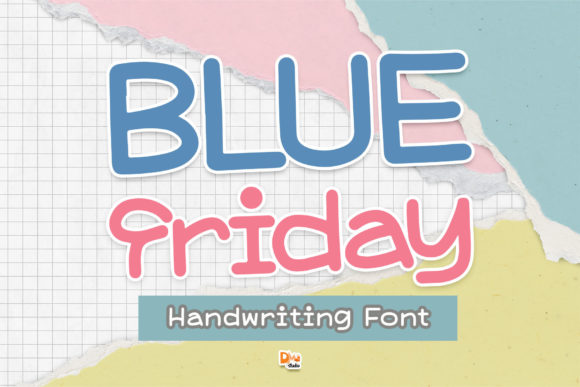
As a crafter and small shop owner, I’m always on the hunt for fonts that bring both personality and professionalism to my handmade products. Blue Friday is one of those rare finds—a clean, monoline sans serif font that’s fun without being fussy, and versatile enough to work across a wide range of creative projects. Whether you’re designing labels, invitations, or digital printables, this font adds a touch of charm while keeping your message clear and readable.
Why Blue Friday Stands Out in a Crowd
What makes Blue Friday special is its unique balance between structure and playfulness. It’s a sans serif font with a consistent line weight, giving it a modern, minimalist base. But the subtle quirks in each letter—like slightly rounded edges and a friendly rhythm—add a handmade feel that resonates with customers looking for something personal and unique.
Unlike overly stylized fonts that sacrifice clarity, Blue Friday maintains excellent legibility, even at smaller sizes. This makes it ideal for product tags, sticker designs, and packaging where space is limited but impact is key. It’s a display font that works beautifully in both digital and physical formats, from SVG cut files to printed greeting cards.
Perfect for Labels, Invitations, and Product Packaging
One of my favorite uses for Blue Friday is in label design. Whether it’s for candles, soap bars, or jam jars, this font gives a clean yet approachable look that enhances the perceived quality of your product. Pair it with a simple script font for a name or tagline, and you’ve got a polished, professional label that stands out on the shelf.
For invitations and wedding stationery, Blue Friday adds a modern twist without feeling cold or impersonal. I’ve used it for welcome boards, seating charts, and thank-you cards, and each time it brought a sense of warmth and sophistication. It also pairs beautifully with more decorative fonts, letting you create visual hierarchy without overwhelming the design.
From Mugs to Mockups: Real-World Uses
Blue Friday shines in a variety of craft and product-based applications. Here are a few ways I’ve incorporated it into my own shop:
- Mug designs: The font’s clean lines and even spacing make it perfect for vinyl decals or sublimation prints on drinkware.
- Seasonal signs: Whether it’s a “Welcome Autumn” banner or a holiday greeting, Blue Friday reads clearly and adds a cheerful vibe.
- Digital wall art: From minimalist quotes to nursery name signs, this font keeps the design modern and readable.
- SVG cut files: When creating digital designs for Cricut or Silhouette machines, Blue Friday scales beautifully without losing its character.
- Printable planners: Its monoline style works well for headers and section dividers, especially when you want a clean, uncluttered layout.
Readability Tips for Best Results
While Blue Friday is highly readable, it’s important to consider how and where it will be viewed. For small stickers or tags, I recommend using it at 10pt or larger to maintain clarity. On digital mockups, always preview how the font appears on different surfaces—like fabric or wood—to ensure it remains legible and visually appealing.
If you’re using Blue Friday for laser-cut or vinyl projects, test a sample before mass production. Sometimes the spacing between letters can affect how the design holds up when cut, especially on intricate letters like “A” or “Y.”
Font Pairing Ideas to Elevate Your Designs
Part of what makes Blue Friday so versatile is how well it pairs with other fonts. Here are a few combinations I’ve found work beautifully:
- With a script font: Try pairing Blue Friday with an elegant script for headings and subheadings. It creates a lovely contrast between structure and fluidity.
- With a serif font: For a more traditional look, use Blue Friday as a title font and a clean serif like Georgia or Garamond for body text.
- With a bold sans serif: If you’re going for a modern, high-contrast design, use a bold display sans serif for headlines and Blue Friday for supporting text.
These pairings help build a cohesive brand identity while keeping your designs visually engaging.
What You Get with Blue Friday
When you purchase Blue Friday, you’ll typically receive multiple file formats (like OTF and TTF) for compatibility with design software and cutting machines. Many versions also include alternates, ligatures, and swashes that let you customize the look of your text. These extras are especially useful when creating logos, boutique tags, or social media graphics where a unique touch makes all the difference.
Be sure to check if the font includes multilingual support if you plan to use it for international markets or bilingual designs. Also, look for stylistic sets that can help you fine-tune spacing and character style for a more polished appearance.
Commercial Use and Licensing
If you’re selling physical products, printables, or digital downloads, it’s essential to verify the font’s licensing terms. Blue Friday is typically offered with a commercial license that allows you to use it in merchandise, client work, and digital templates. However, always double-check the specific license agreement that comes with your purchase to avoid any legal issues down the line.
Many crafters overlook font licensing, but it’s a crucial step—especially if you’re using design assets in products that will be resold. A properly licensed font ensures your work remains professional and legally protected.