Pumpkin Muffin: A Display Font That Brings Campaign Visuals to Life
A Fresh Font for High-Impact Campaign Graphics
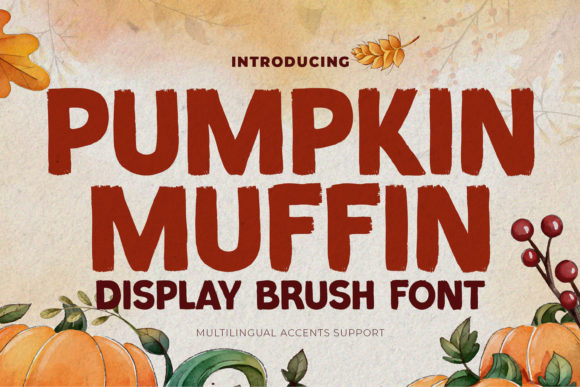
While prepping a seasonal product launch graphic last week, I found myself scrolling through font folders looking for something that could inject warmth and personality into the design. That’s when I opened up Pumpkin Muffin. The font immediately stood out with its bold, playful letterforms and vibrant character. It's a display font designed to catch attention—not just in headlines, but in the split-second glance of a social media feed or a YouTube thumbnail.
Visual Style and Personality: Chunky, Colorful, and Cheerful
Pumpkin Muffin lives up to its name: it's round, slightly bouncy, and full of visual charm. Each letter feels like it was crafted with a designer’s hand, giving it a handmade, slightly whimsical appeal. It works especially well in fall-themed content, but its color-ready outlines and open spacing make it versatile for a wide range of campaigns. Whether you're designing a quote graphic for Instagram or a branded template for a webinar series, Pumpkin Muffin brings a friendly, approachable tone that resonates with audiences looking for warmth and creativity.
Real-World Use: From Instagram Posts to YouTube Thumbnails
I recently used Pumpkin Muffin in a set of Instagram Stories for a client's online course launch. The font’s chunky lettering held up beautifully on mobile screens—even in full-screen video overlays. It also worked well in a Pinterest campaign where visual clarity and bold text are key to driving clicks. For YouTube thumbnails, the font’s strong character shapes helped headlines stand out even at small preview sizes. Its generous spacing and rounded edges made it readable in fast-scrolling feeds without losing its expressive style.
Message Clarity and Campaign Consistency
When designing for digital ads or email banners, message clarity is non-negotiable. Pumpkin Muffin isn’t a font for long paragraphs—it shines in short, punchy headlines and callouts. Using it for campaign labels like “New Arrival” or “Limited Time Offer” helped reinforce visual hierarchy and brand recognition. Paired with a clean sans serif like Montserrat or Open Sans, it created a balanced contrast that guided the viewer’s eye naturally from headline to supporting text.
For a recent email promotion, I used Pumpkin Muffin as the header font over a light background. The result was a clean, engaging layout that felt on-brand and easy to scan. The font’s boldness made it ideal for dark mode previews, where contrast and readability matter most.
When to Use (and When to Skip) Pumpkin Muffin
This font is best suited for display use—think headers, logos, quote graphics, and promotional banners. It doesn’t work well for body copy or small text, especially in formal or data-heavy contexts. If you're working on a corporate report or a technical landing page, Pumpkin Muffin might not be your best fit. But for lifestyle brands, creative entrepreneurs, or seasonal campaigns, it’s a powerful tool to elevate your visual storytelling.
It’s also worth noting that while Pumpkin Muffin is colorful and expressive, it may not be ideal for minimalist brand identities that rely on subtle typography. Always check how it performs in thumbnails, mobile previews, and across different background tones before finalizing your design.
Font Pairing and Practical Design Tips
One of the best ways to use Pumpkin Muffin is in combination with a more neutral font. For a recent content series on a wellness blog, I paired it with a soft serif font for subheaders and body text. The contrast helped establish a visual rhythm that was both modern and approachable. For digital ads, I used it with a bold script font for accents—adding depth without clutter.
Before using Pumpkin Muffin in client work or branded templates, make sure to check the included styles, ligatures, and alternate characters. I found the font came with a few fun extras that added flexibility, especially for logo-style text and decorative titles. Also, verify that the font includes multilingual support and a commercial license if you plan to use it in ads, digital products, or merchandise.